
An Exceptional Team
(Presented in no particular order)
Our Opportunity to Define the Future
As president I’m both delighted and humbled to introduce you to our exceptional team, coming together from across the globe to share their talents, expertise, and knowledge. I fully believe their calibre and acumen enables and ensures the delivery of a platform with the highest potential and possibility for facilitating neurological recovery.
Living with a cervical SCI I’m fully aware of the challenges brought about by a neurological impairment and am excited and passionate to enable, witness and experience the multiple life-changing benefits that will be achieved as a consequence of this platform. I’m driven to ensure that this platform and the core of all we do is to serve those who live with neurological impairments. We are why this exists.
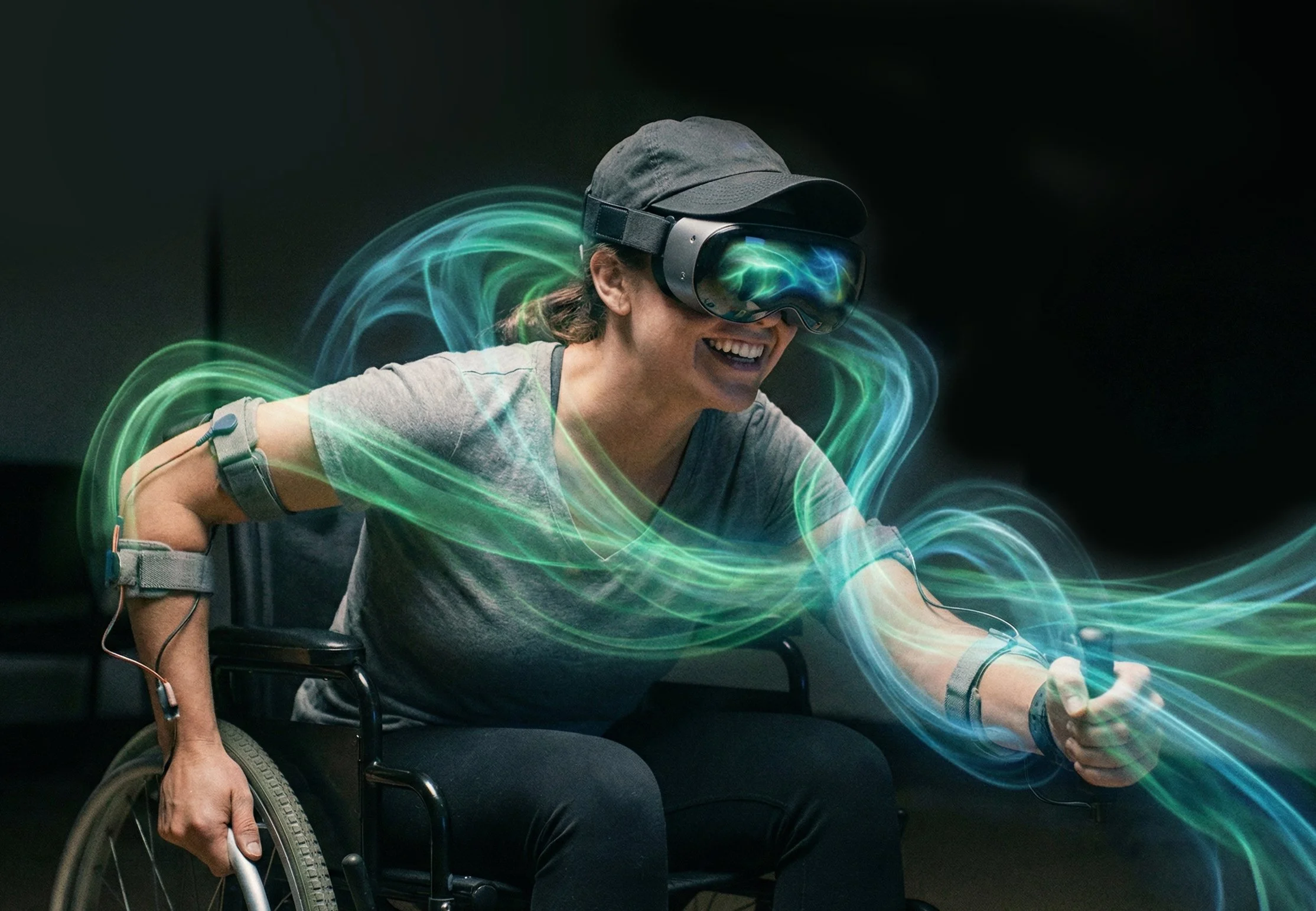
For the first time, the collective expertise necessary to build a paradigm-shifting multi-sensory neurotech intervention have come together. They represent the pinnacle of innovation in their respective fields, and their combined presence here is a testament to the urgency and potential of our mission. Our goal is simple, yet immense: to deliver positive, measurable changes to people with incredibly challenging injuries. I look forward, with great excitement, to what can be made possible for us all.
Fiona Foley - President & Co-Founder
LEADERSHIP
-
Fiona Foley
PRESIDENT & CO-FOUNDER
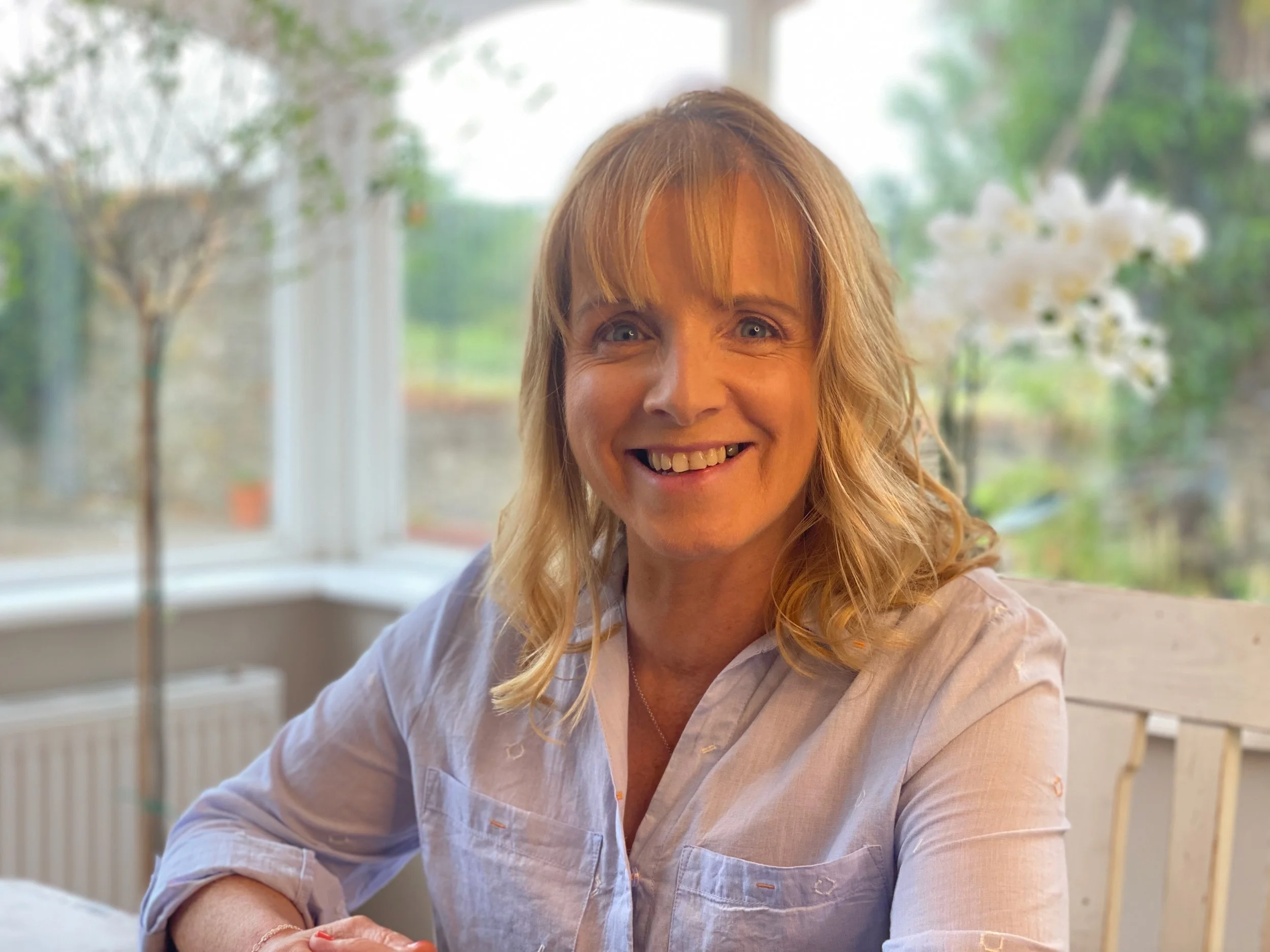
Fiona is the President, Co-Founder and inspiration behind the NEXR Foundation, leading our overall vision, strategic direction, and global advocacy to advance non-invasive closed-loop neurorehabilitation technologies. Guided by her personal experience living with a life-changing neurological impairment, she established NEXR to bridge the gap between cutting-edge translational neuroscience, engineering innovation, and real-world patient outcomes. Under her leadership, the foundation convenes an elite international consortium of neuroscientists, clinical specialists, biomedical engineers, and tech leaders dedicated to restoring functional motor control, mitigating chronic neuropathic pain, and accelerating long-term recovery. As President, she ensures that lived experience remains the core compass driving NEXR’s research roadmap, clinical trial design, and user-centered technology development. -
Aidan Foley
CEO & CO-FOUNDER
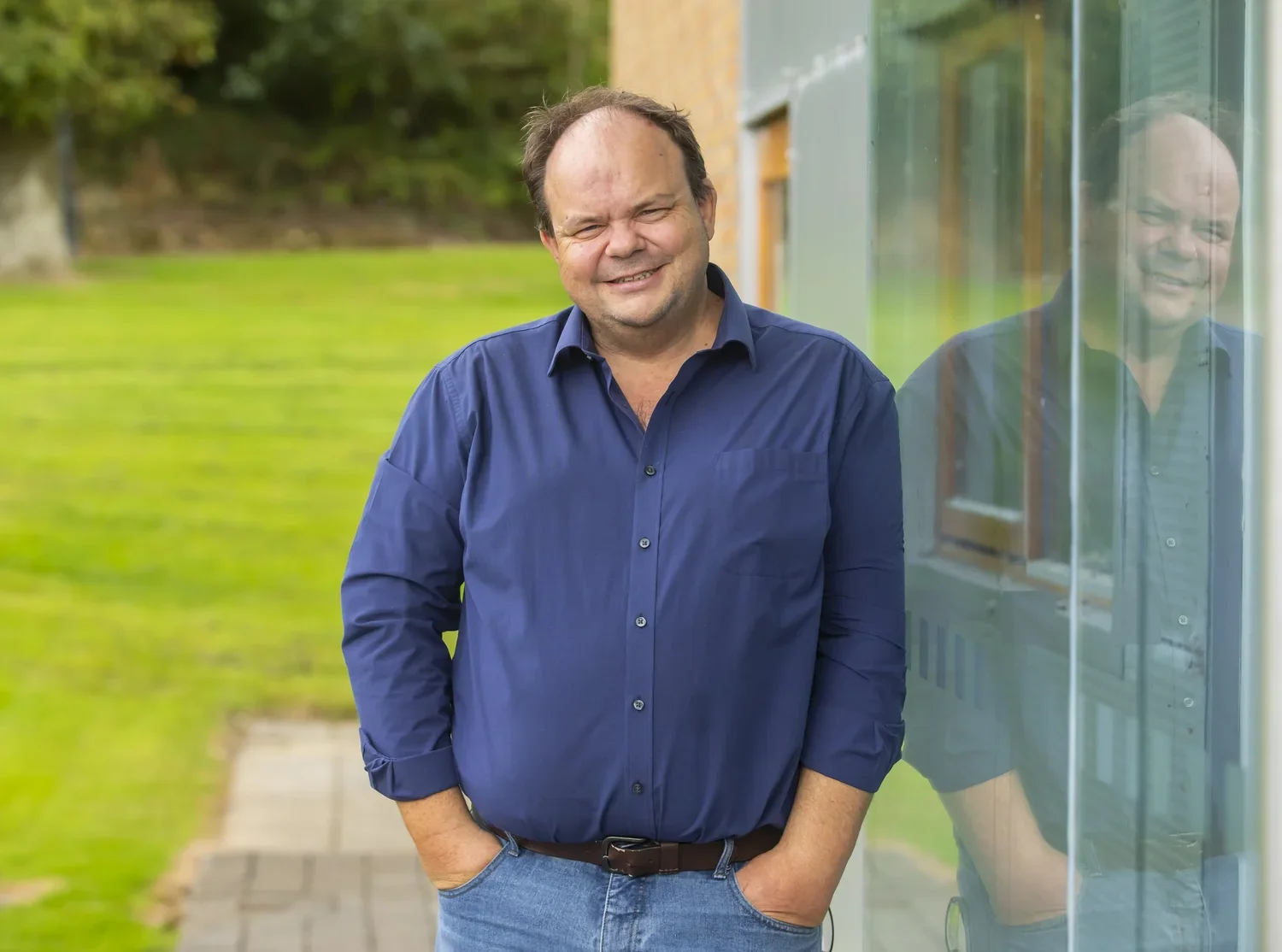
Aidan is Co-Founder and Chief Executive Officer of the NEXR Foundation, driving the organisation’s overall commercial strategy, global partnerships, and translational research ecosystem. Driven by a personal imperative to transform neurological rehabilitation following life-altering injury, he co-founded NEXR to accelerate the deployment of non-invasive, closed-loop neurorehabilitation technologies into real-world clinical care. Combining executive leadership with strategic operational execution, he leads NEXR’s capital allocation, multidisciplinary research grants, institutional collaborations, and platform development. Working alongside international research leaders, clinical centres, and tech pioneers, Aidan ensures the foundation’s engineering innovations translate rapidly from advanced laboratory concepts into scalable, life-changing therapies for individuals living with paralysis and complex neurological impairments. -
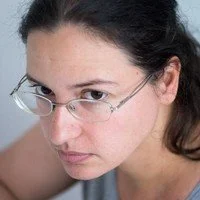
Silvia Rasheva
CHIEF CONTENT OFFICER
& CO-FOUNDER
Silvia oversees operational strategy, digital product development, and cross-functional technology execution. With over two decades of leadership across high-tech digital production, software development, and real-time engine architectures, she previously served as Director of Content Production at Unity Technologies. At Unity, she led the world-renowned Demo Team, producing landmark real-time graphics showcases - including Adam, Book of the Dead, The Heretic, and Enemies - that defined the state of the art in interactive simulation, real-time rendering, and digital human technology. At NEXR, she leverages her extensive experience in complex software pipelines, agile team management, and real-time technical infrastructure to operationalise the foundation's scientific roadmap, streamline multidisciplinary clinical collaborations, and scale next-generation neuro-rehabilitative platforms. -
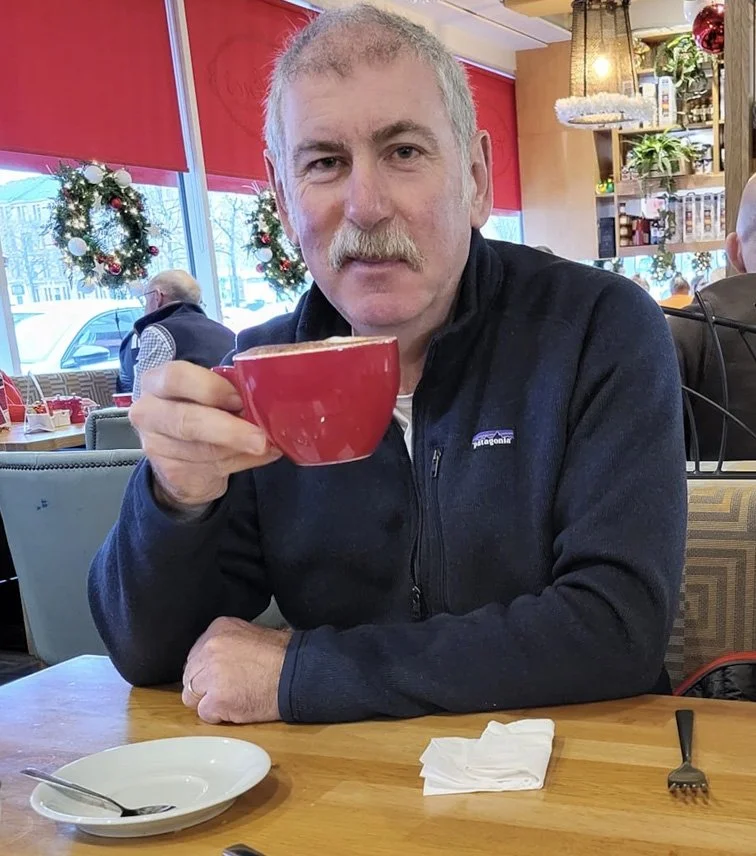
Prof. Bernard Conway
SCIENTIFIC LEAD
Bernie is Scientific Lead at NEXR and Emeritus Professor in the Department of Biomedical Engineering at the University of Strathclyde. An authority in bioengineering and motor control neuroscience, his research focuses on fundamental electrophysiology, neural signal processing, and closed-loop brain-computer interfaces (BCIs). Over a distinguished academic career, he has contributed to seminal research in supraspinal and spinal sensorimotor control, muscle synergy decoding, and non-invasive neuromodulation to assess and restore neurological function following central nervous system trauma. Collaborating closely with clinical institutions in the UK and internationally his work bridges bioengineering principles and clinical neurorehabilitation.
SCIENTIFIC, CLINICAL & TECHNICAL
-
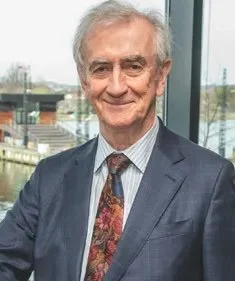
Prof. Neville Hogan
SENIOR SCIENTIFIC ADVISOR - SENSORIMOTOR CONTROL / MIT
Neville Hogan, PhD, is the Sun Jae Professor (emeritus) of Mechanical Engineering and Professor (emeritus) of Brain and Cognitive Sciences at the Massachusetts Institute of Technology (MIT). He directed MIT’s Newman Laboratory for Biomechanics and Human Rehabilitation. Widely recognised as a founding father of rehabilitation robotics, his seminal work pioneered impedance control and physical human-robot interaction, leading to groundbreaking technologies such as the MIT-Manus for robot-assisted therapy. Holding a PhD from MIT and honorary doctorates from Delft University of Technology and Dublin Institute of Technology, his multidisciplinary research bridges motor neuroscience, human biomechanics, and adaptive robotic control systems. Prof. Hogan’s work focuses on translating fundamental principles of motor control into gentle, closed-loop physical interventions engineered to drive neuroplasticity, optimise functional recovery, and transform neurorehabilitation for stroke and complex neurological impairments. -
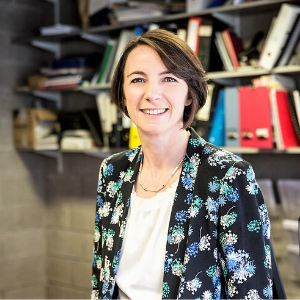
Prof. Madeleine Lowery
UNIVERSITY COLLEGE DUBLIN
Madeleine is a Full Professor in the School of Electrical and Electronic Engineering at UCD and Head of Subject for Biomedical Engineering. Leading an interdisciplinary research team in Neuromuscular Systems and Neural Engineering, her work applies mathematical modeling, electromyography (EMG), and bioelectric signal processing to understand how the nervous system controls muscle movement and to develop advanced motor rehabilitation technologies. A former Research Assistant Professor at Northwestern University and the Rehabilitation Institute of Chicago, she is a Past-President of the International Society of Electrophysiology and Kinesiology (ISEK) and a Principal Investigator in the Insight Centre for Data Analytics and CÚRAM Centre for Research in Medical Devices. -
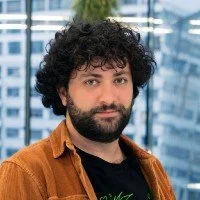
Vincent Mendez
MYOLINK/EPFL
Dr. Vincent Mendez is a neural engineering specialist, entrepreneur, and researcher at the Lausanne University Hospital and Swiss Federal Institute of Technology in Lausanne (EPFL). As the founder of MyoLink, his work bridges cutting-edge translational neuroscience and non-invasive neurorehabilitation technology. Dr. Mendez specializes in biosignal processing, surface electromyography (EMG), and embedded machine learning architectures engineered for real-time motor intent decoding. His research focuses on translating complex neuromuscular signals into ultra-low-latency control loops for neuroprosthetics and muscle monitoring systems, restoring precise sensorimotor feedback and functional control following neurological impairment. -

Prof. Eva Widerström-Noga
MIAMI PROJECT TO CURE PARALYSIS
Eva is a Professor of Neurological Surgery and Rehabilitation Medicine at the University of Miami Miller School of Medicine and Principal Investigator of the Clinical Pain Research Laboratory at The Miami Project to Cure Paralysis. With over 25 years of specialised research in neurotrauma, her work focuses on elucidating the complex pathophysiological and central brain mechanisms underlying persistent neuropathic pain following spinal cord injury (SCI). An international authority in pain classification and clinical outcome measurement, she co-led the development of the International SCI Pain Basic Data Set and serves on key panels establishing guidelines for pain management. Her research integrates neuroimaging, electrophysiology, and non-pharmacological multimodal interventions to target maladaptive pain processing, advance personalized therapies, and restore quality of life following neurological impairment. -
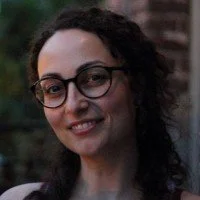
Dr. Roberta Vastano
MIAMI PROJECT TO CURE PARALYSIS
Dr. Roberta Vastano is a cognitive neuroscientist and Research Assistant Professor in the Department of Neurological Surgery at the University of Miami Miller School of Medicine and The Miami Project to Cure Paralysis. Holding a PhD in Bioengineering and Robotics, her research examines how spinal cord injury and neuropathic pain affect multisensory integration, body representation, and cognition. -
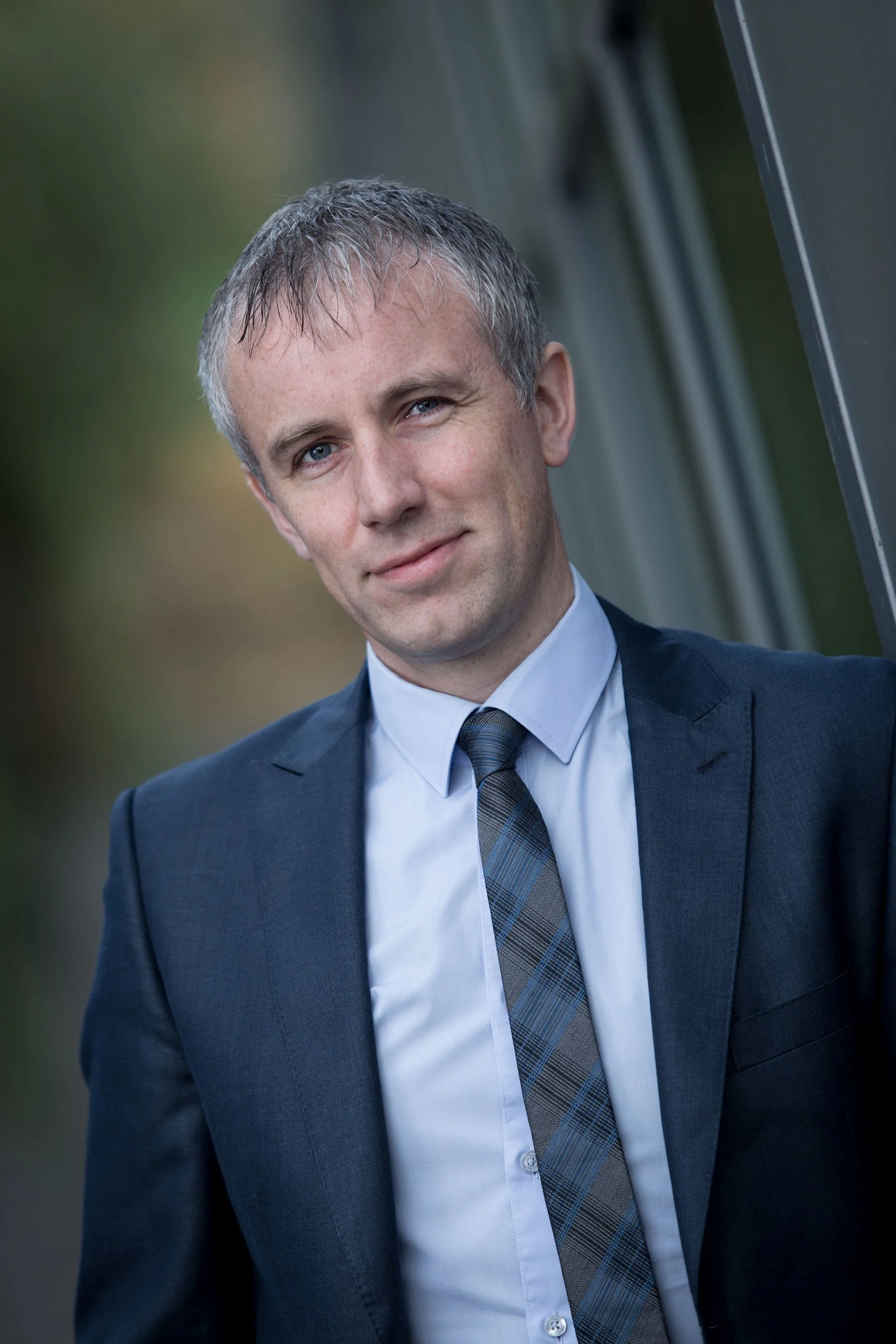
Prof. Damien Coyle
UNIVERSITY OF BATH - BATH INSTITUTE FOR THE AUGMENTED HUMAN
Prof. Damien Coyle is Professor of Neurotechnology and Director of the Bath Institute for the Augmented Human at the University of Bath, as well as a UKRI Turing AI Fellow. A leading international authority in artificial intelligence and non-invasive brain-computer interfaces (BCIs), his research focuses on developing AI-driven signal processing algorithms to decode complex electrophysiological signals (EEG) for real-time human-machine interaction and neurorehabilitation. As the Founder and CEO of NeuroCONCISE, a wearable neurotechnology spinout, his work translates advanced machine learning and closed-loop BCI systems into clinical solutions that restore communication, facilitate motor recovery, and modulate neuropathic pain for individuals following severe brain or spinal cord injury. -
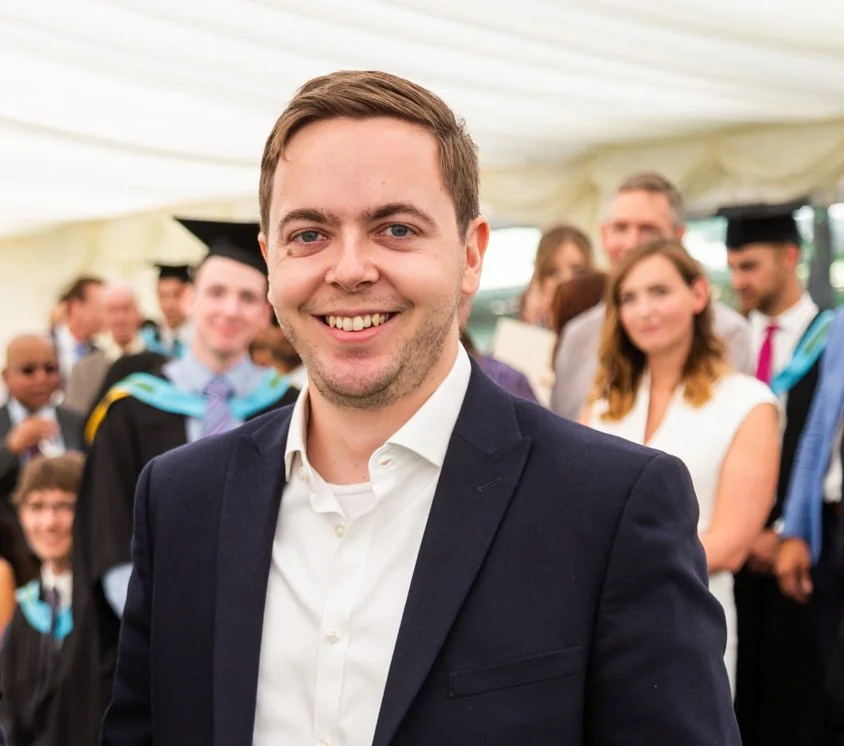
Dr. Benjamin Metcalfe
UNIVERSITY OF BATH - BATH INSTITUTE FOR THE AUGMENTED HUMAN
Dr. Benjamin Metcalfe is Head of the Department of Electronic & Electrical Engineering and Deputy Director of the Bath Institute for the Augmented Human at the University of Bath. A leading biomedical engineer, his work focuses on neural interfaces, bioelectric signal processing, and closed-loop neuromodulation for functional motor rehabilitation and neuroprosthetics. He has developed implants to restore control of the urinary bladder after spinal cord injury and to provide sensory feedback in upper limb protheses. In 2023 he co-founded the Bath Institute for the Augmented Human to advocate for the holistic design of neurotechnology taking into consideration the technological, regulatory, societal, and ethical implications. He has advised UK Government and the Ministry of Defence on the opportunities associated with human augmentation and recently co-launched the OECD policy toolkit on neurotechnologies as the UK representative. -
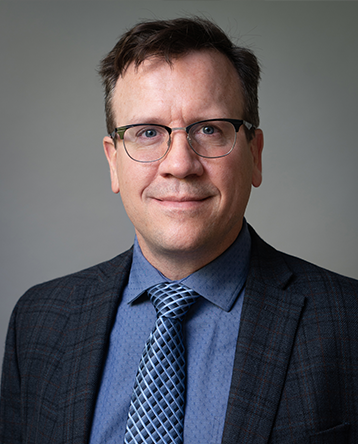
Prof. Doug Webber
CARNEGIE MELLON UNIVERSITY
Prof. Doug Webber (Douglas Weber), PhD, is the Akhtar and Bhutta Professor of Mechanical Engineering and Neuroscience at Carnegie Mellon University, where he co-directs the NeuroMechatronics Laboratory. A founding member and former Program Manager in DARPA’s Biological Technologies Office, he created and managed landmark neurotechnology research portfolios supporting the White House BRAIN Initiative, including DARPA’s HAPTIX, ElectRx, and TNT programs. His research integrates fundamental neurophysiology with biomedical engineering to understand how sensory feedback drives movement control and neuroplasticity. Holding eight US patents, his work focuses on pioneering wearable and implantable neural interfaces, precision haptic sensory feedback, and closed-loop neuromodulation systems engineered to restore lost motor function and relieve neuropathic pain following spinal cord injury, stroke, or limb loss. -
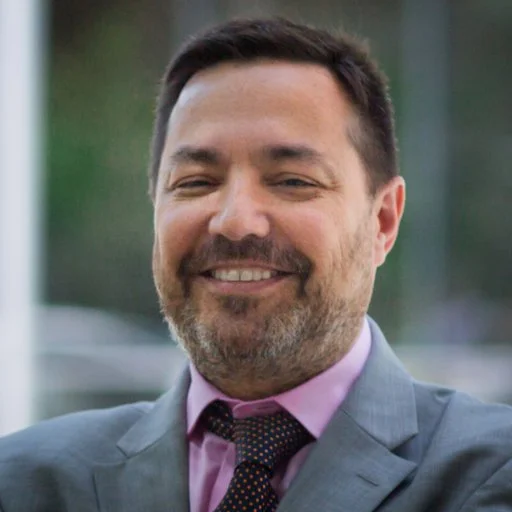
Prof. Paolo Bonato
HARVARD / SPAULDING
Prof. Paolo Bonato, PhD, is an Associate Professor in the Department of Physical Medicine and Rehabilitation at Harvard Medical School and Director of the Motion Analysis Laboratory at Spaulding Rehabilitation Hospital. An internationally recognised authority in rehabilitation engineering, his research focuses on mobile health technologies, wearable biomedical sensors, and robot-assisted rehabilitation systems engineered to evaluate and treat motor impairments following spinal cord injury, stroke, and cerebral palsy. He is the Founding Editor-in-Chief of the Journal of NeuroEngineering and Rehabilitation (JNER) and a Past-President of the International Society of Electrophysiology and Kinesiology (ISEK). His pioneer work integrates human movement biomechanics, real-time biosignal processing, and adaptive robotics to monitor neurorehabilitation trajectories, optimise therapeutic interventions, and restore physical independence. -
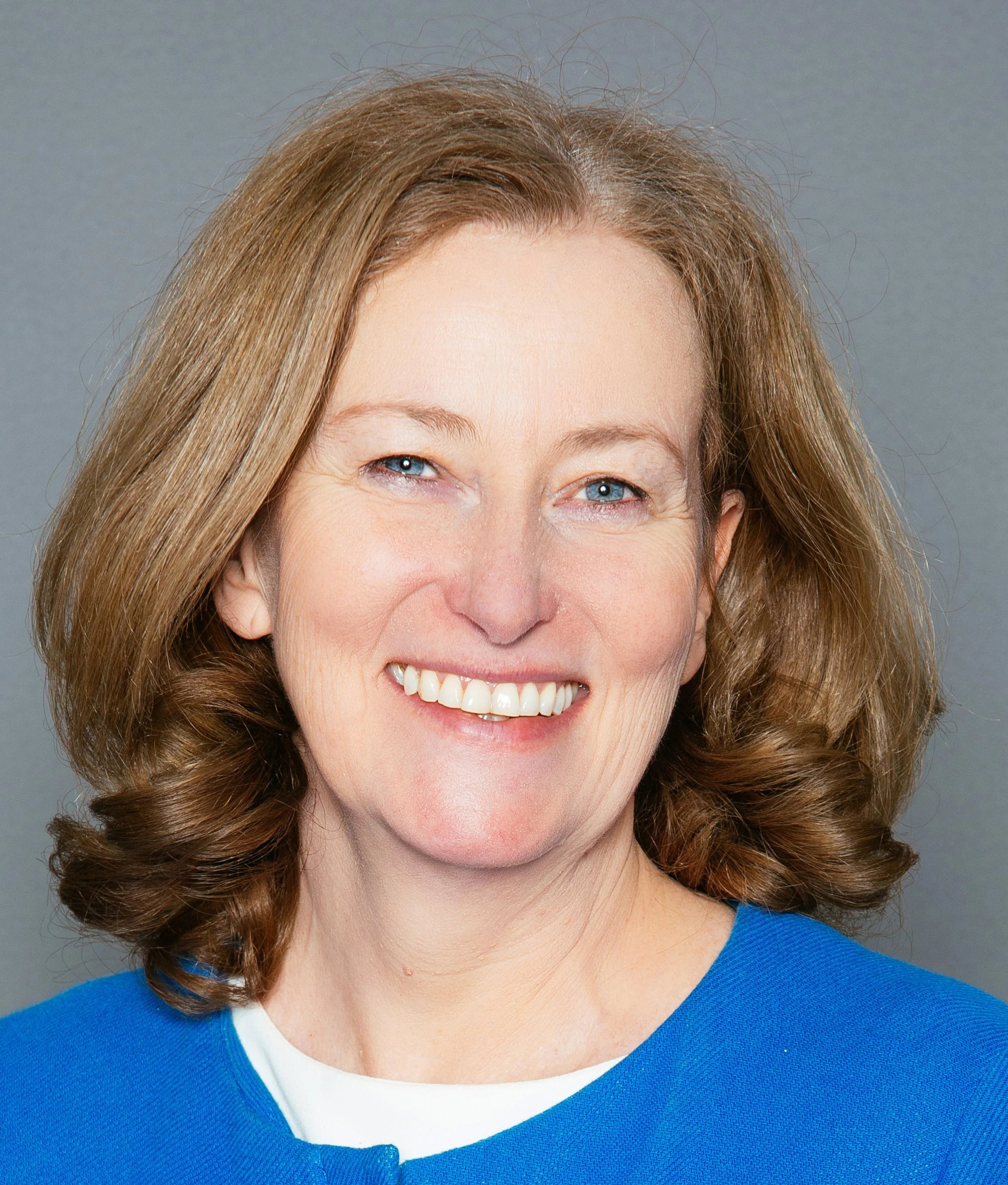
Assoc. Prof. Olive Lennon
UNIVERSITY COLLEGE DUBLIN / NATIONAL REHABILITATION HOSPITAL
Olive is an Associate Professor at the UCD School of Public Health, Physiotherapy and Sports Science and Academic Lead at the National Rehabilitation Hospital (NRH) in Ireland. Bringing over two decades of clinical experience as a specialist neurological physiotherapist, her research focuses on technology-assisted neurorehabilitation, robotic-assisted gait training, brain-computer interfaces (BCIs), and non-pharmacological management of persistent neuropathic pain following spinal cord injury and stroke. She leads multiple funded clinical trials and international research programs - including Science Foundation Ireland's 3Rs project on responsive rehabilitative robotics in motor relearning - designed to translate advanced neuro-robotic platforms and closed-loop biosignal feedback into evidence-based clinical practice to optimise functional mobility and quality of life. -
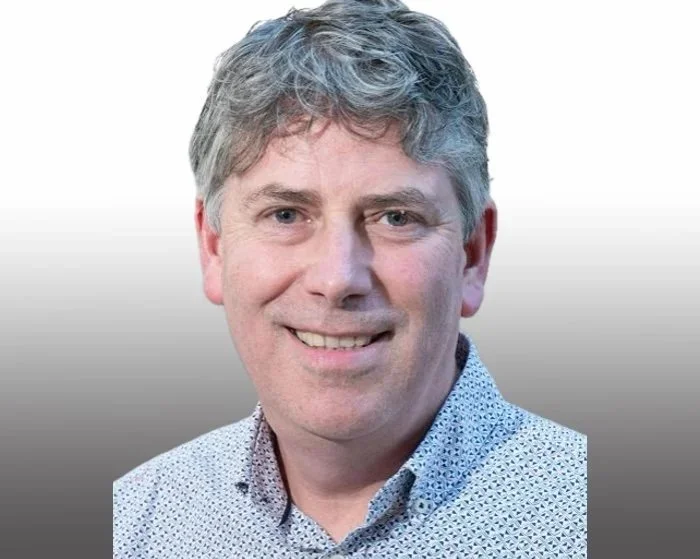
Joe O'Keeffe
SPECIAL ADVISOR
Joe O'Keeffe is a serial deep-tech entrepreneur and leading authority in display, optics, and spatial computing hardware innovation. As the former Vice President of Display & Optics Research at Meta Reality Labs, he led global R&D teams developing next-generation optical systems and display architectures for AR and VR platforms, including Meta's groundbreaking Orion AR glasses. A prolific founder, his track record includes building and scaling InfiniLED (a MicroLED pioneer acquired by Meta), SensL (sensor technology acquired by ON Semiconductor), and EnBIO. Currently Executive Chairman at Phosio, Fourier Optics & CREAL (all AR Glasses display start-ups) and Entrepreneur in Residence at the Tyndall National Institute. He brings extensive expertise in optics, display miniaturisation, and spatial computing to advise NEXR on immersive visual architecture and hardware integration. -
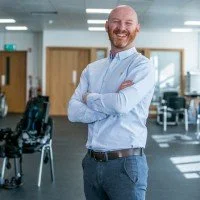
Ronan Langan
DUBLIN CITY UNIVERSITY
Ronan Langan is a specialist neuro-physiotherapist and Clinical Lead of the DCU Exoskeleton Programme at Dublin City University. With over 17 years of clinical experience in neurorehabilitation - including 12 years as a Senior Physiotherapist at Ireland’s National Rehabilitation Hospital (NRH) - he is a recognised authority in technology-assisted rehabilitation for spinal cord injury and paralysis. His clinical work and doctoral research focus on integrating wearable robotics, intention-driven exoskeleton mobility, and task-specific training to drive neuroplasticity, limit secondary complications, and optimise functional independence following severe neurological injury.